 Our Story
Sokullu Mehmet Paşa Hamamı has stood in Edirne since the Ottoman classical period — not preserved behind glass, but still warm, still in daily use.
Commissioned during the height of Ottoman architectural achievement, the hamam takes its name from Sokullu Mehmet Paşa, one of the empire's most influential grand viziers. Its layout — the warm room, the hot room, the resting hall — follows the same principles found in the great Sinan-era bathhouses across Edirne and Istanbul.
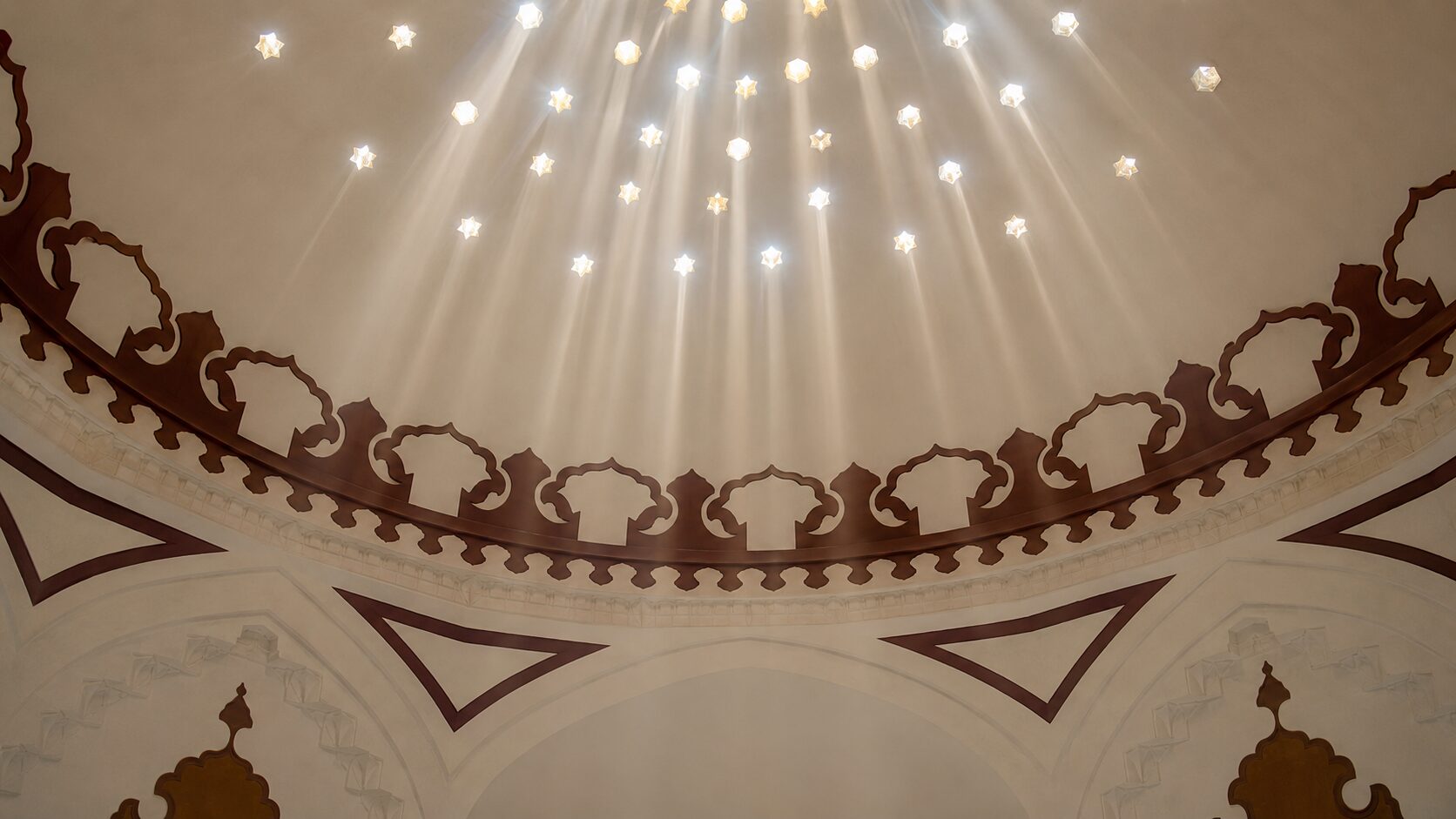
What makes it rare is continuity: the same marble platforms, the same domed ceilings pierced with star-shaped skylights, still used exactly as intended.
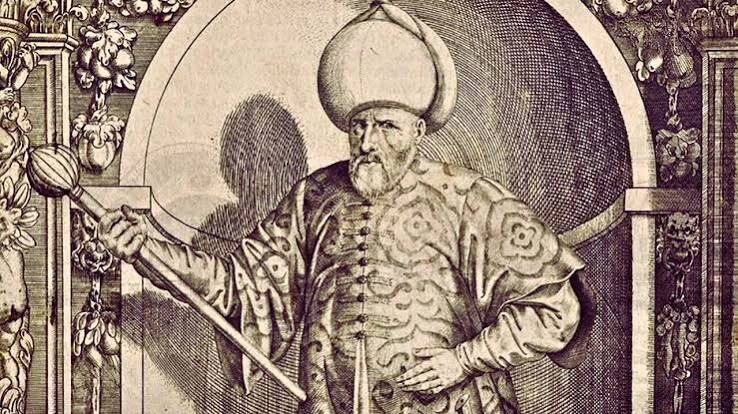
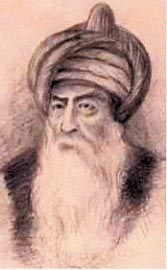
The hamam is commissioned and built in the architectural tradition of Sinan the Great Architect, the empire's chief royal architect, serving the daily life of Edirne from its very first years.
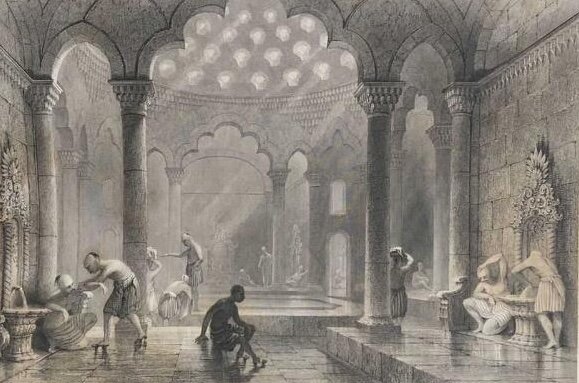
By the 18th century, hamams were centers of daily life far beyond bathing — hosts to weddings, celebrations, and social gatherings. Historian A. Süheyl Ünver links Sokullu Mehmed Pasha Hamam to early smallpox inoculation practiced on children in Edirne, while Lady Mary Wortley Montagu's letters from the same period describe crowded bridal hamam gatherings in the city.
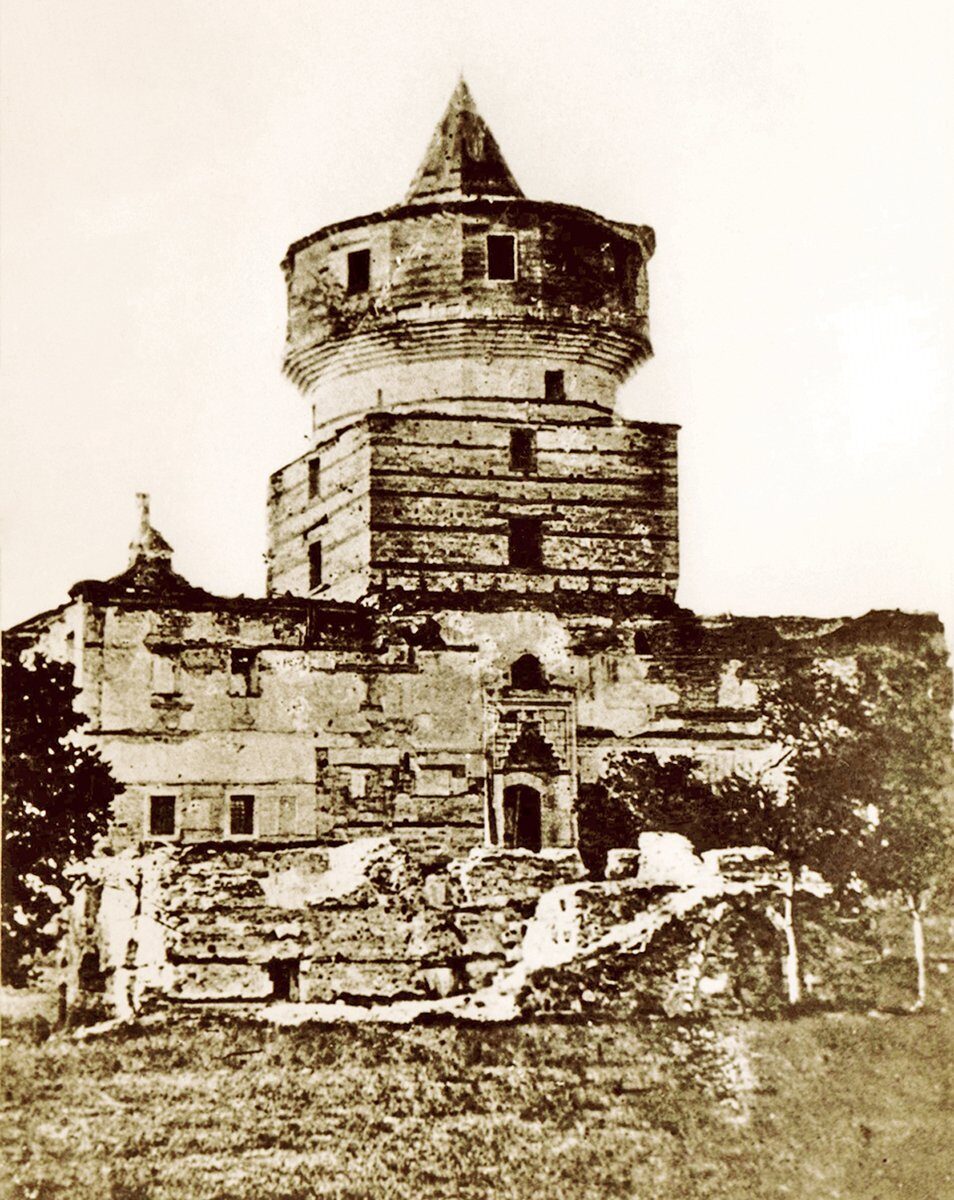
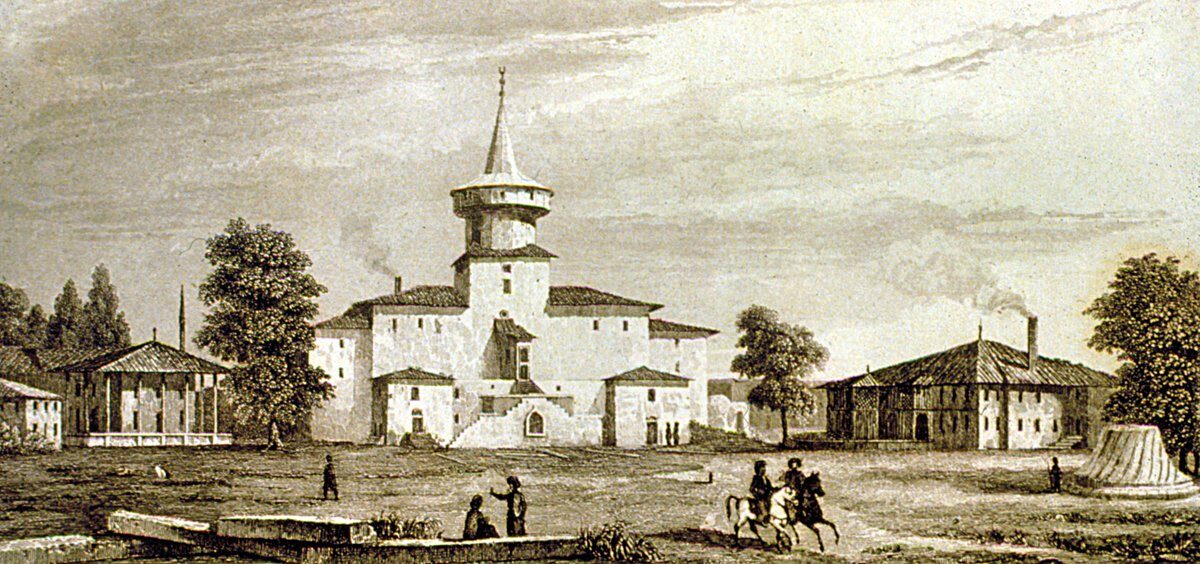
Disasters, occupations, and migrations reshaped the city. A great fire in 1745 destroyed roughly sixty neighborhoods of Edirne, and sources date a major earthquake to 1751 or 1752. In the following century, Edirne was occupied by Russian forces in both 1829 and 1878 — the 1878 occupation ruined many neighborhoods and left disease, hardship, and displacement in its wake. No direct record documents damage to the hamam itself in these periods, but the building continued to serve a city center transformed by war.
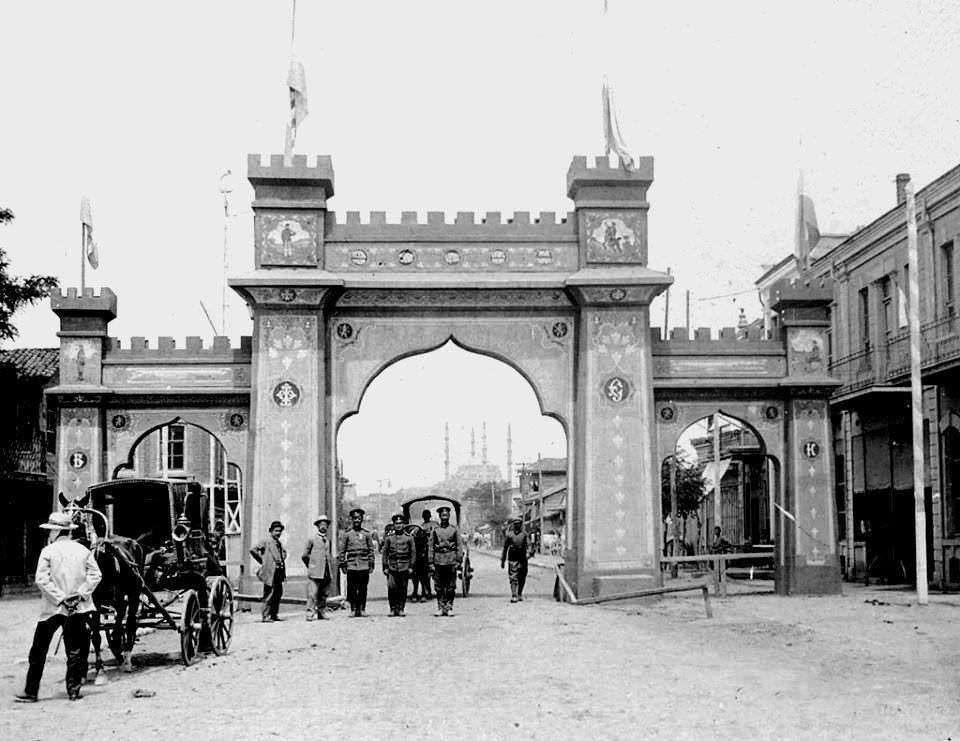
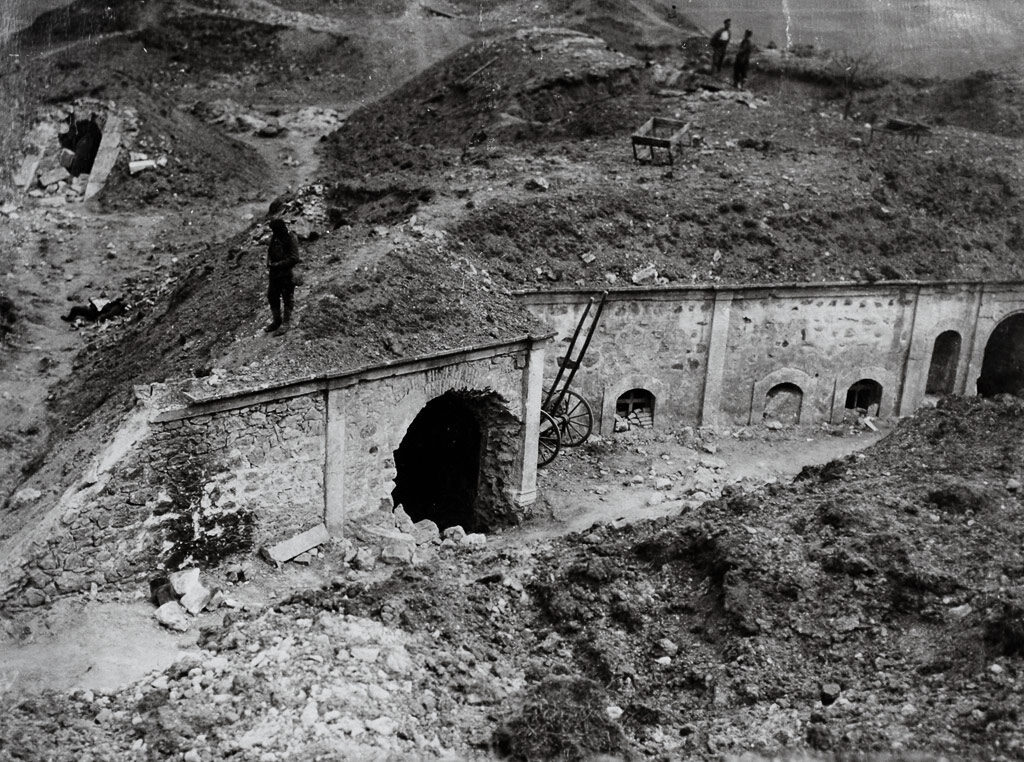
During the Balkan Wars, Edirne endured a siege of many months and heavy bombardment. In the 36-day bombardment of February–March 1913 alone, twenty-five fires were recorded across the city. Sokullu Hamam's now-familiar entrance — columned, porticoed, and arched — is said to have taken its present form in the restoration that followed the 1913 fire.
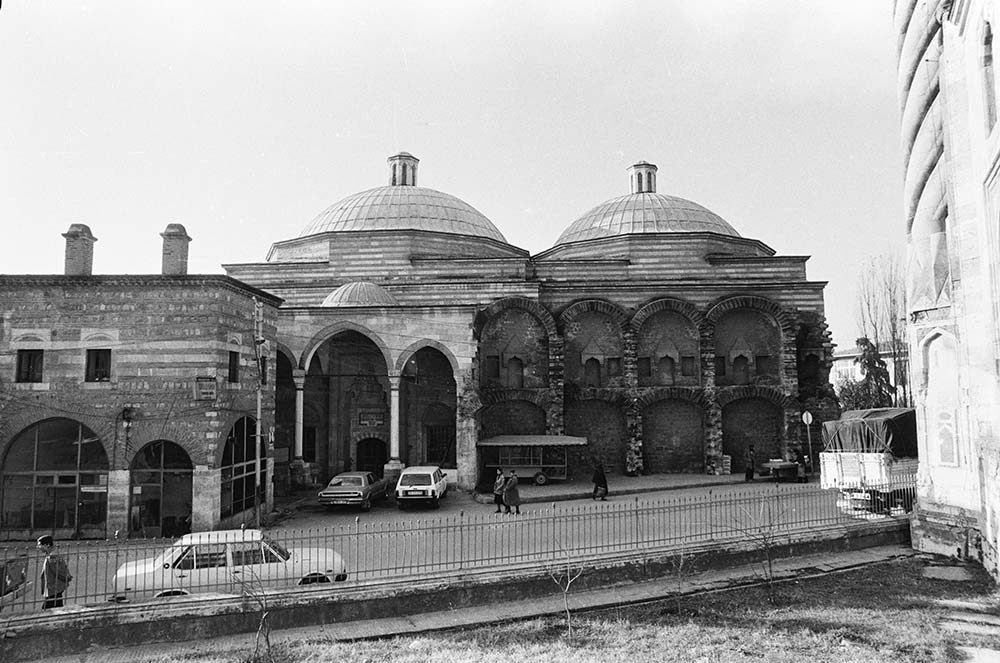
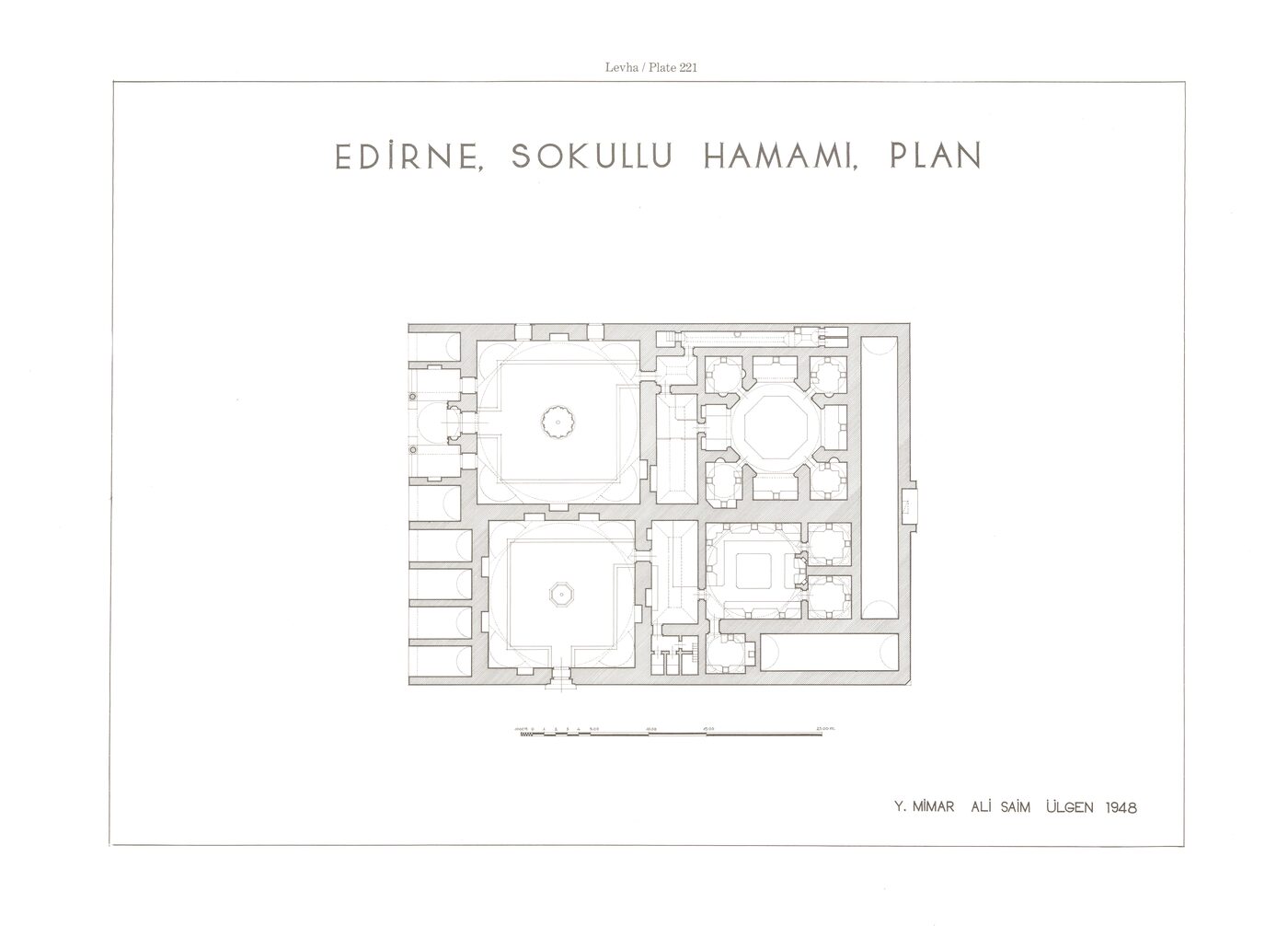
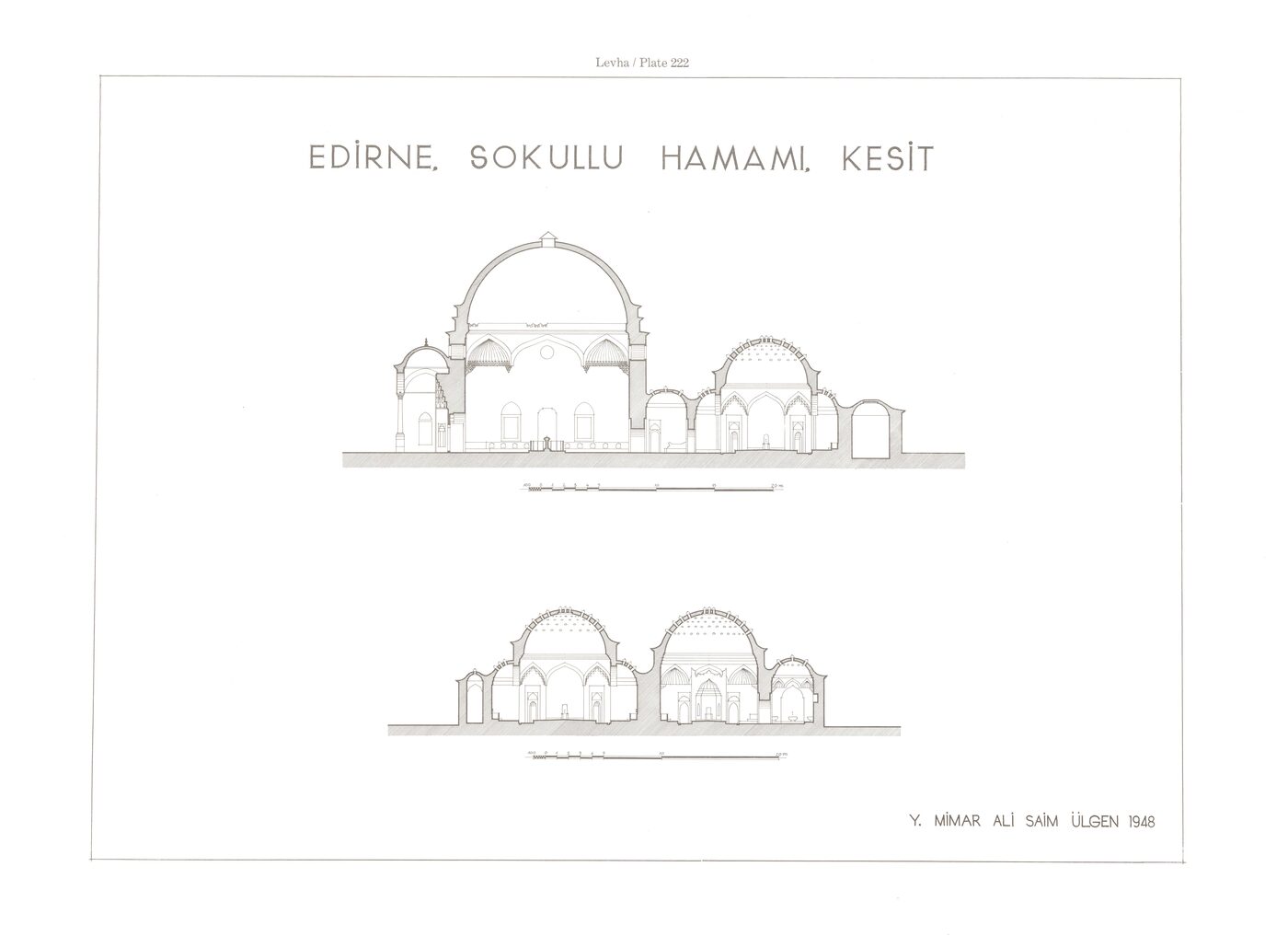
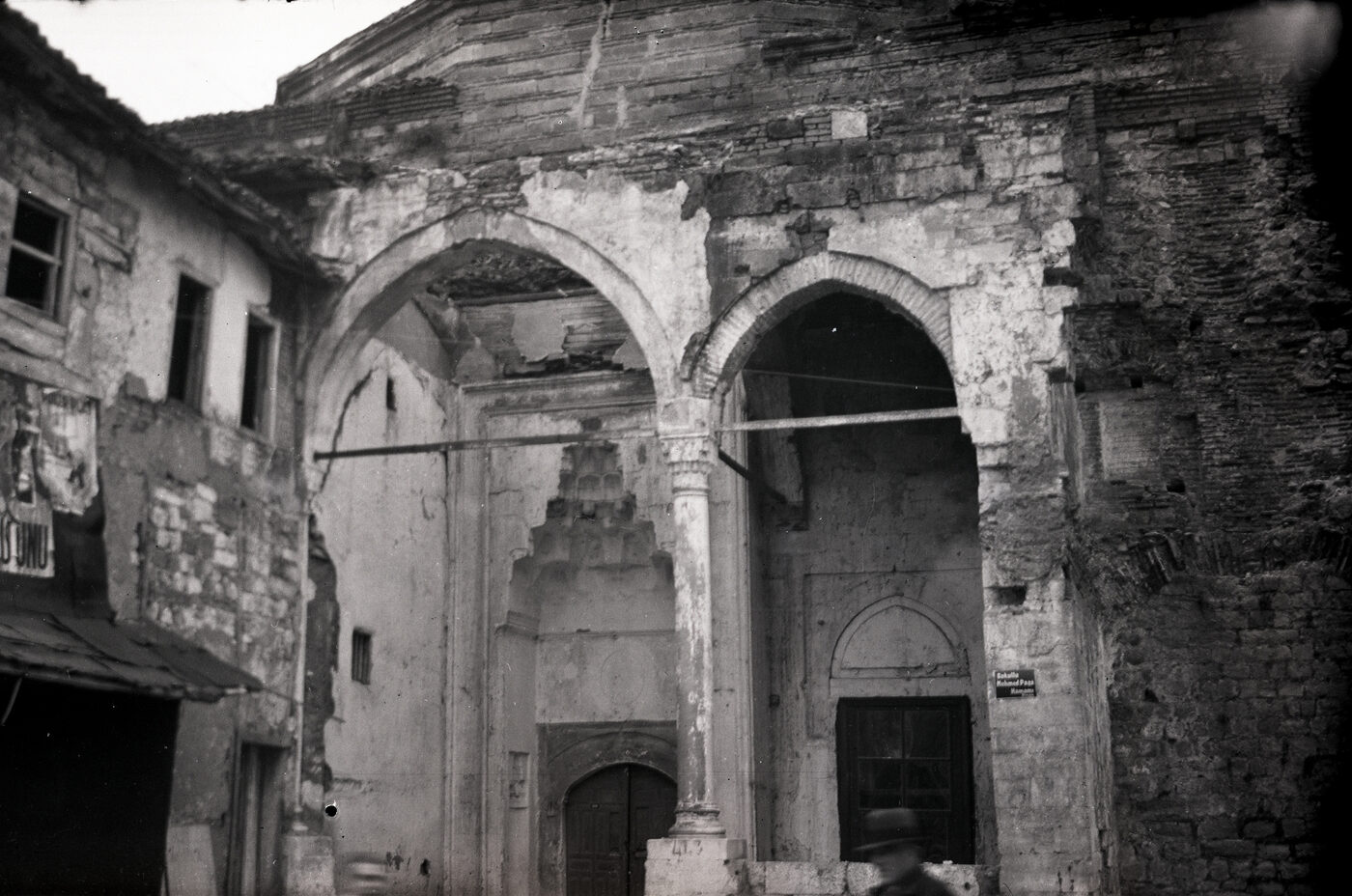
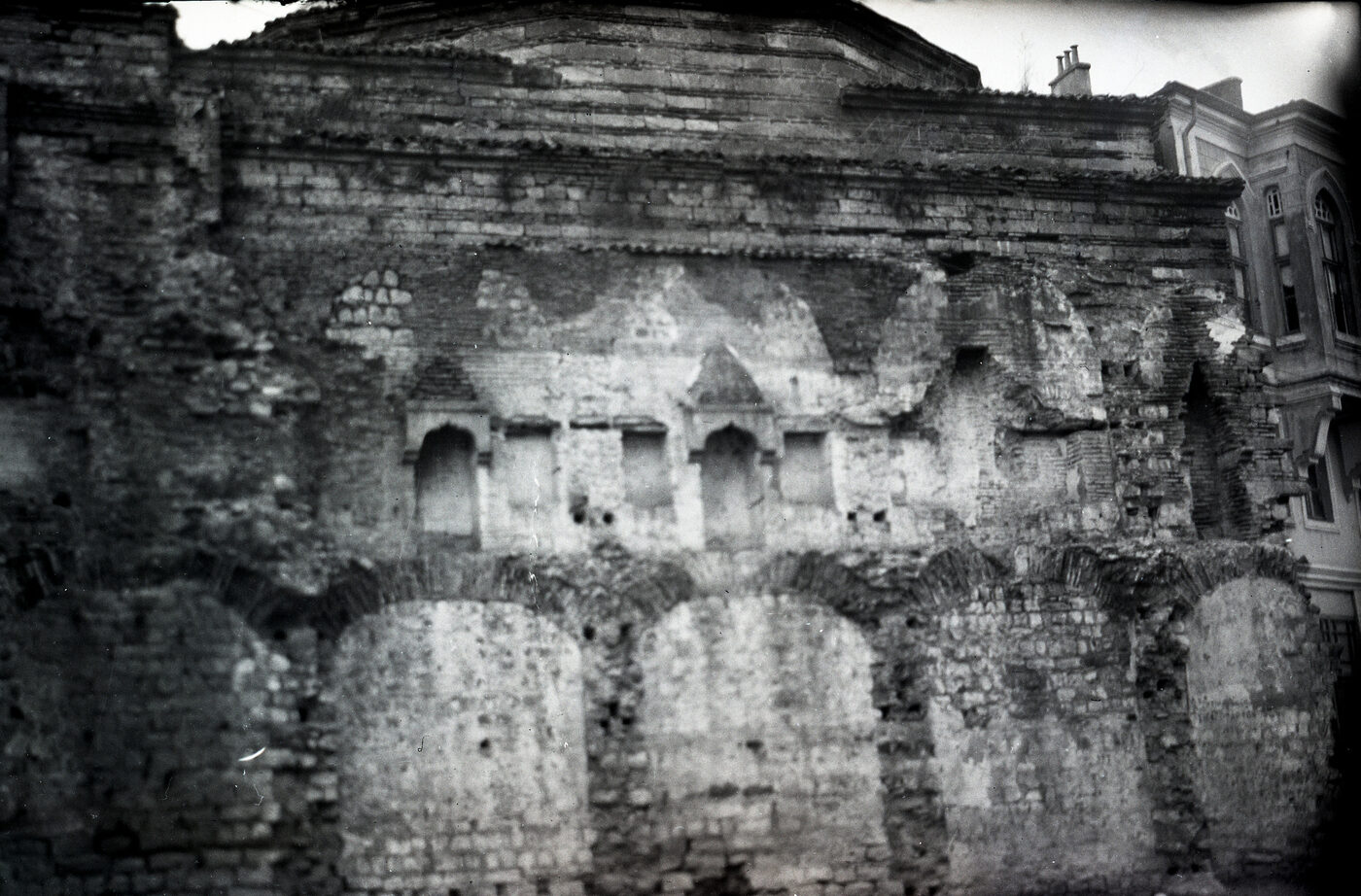
In 1948, architect and preservation expert Ali Saim Ülgen prepared plan and section surveys of the hamam — among the most valuable records of the building's mid-20th-century architectural condition. Sources indicate the building underwent a further repair in 1963 or 1964.
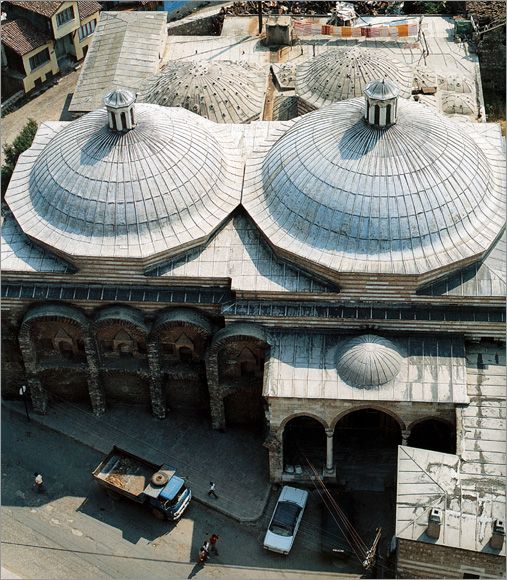
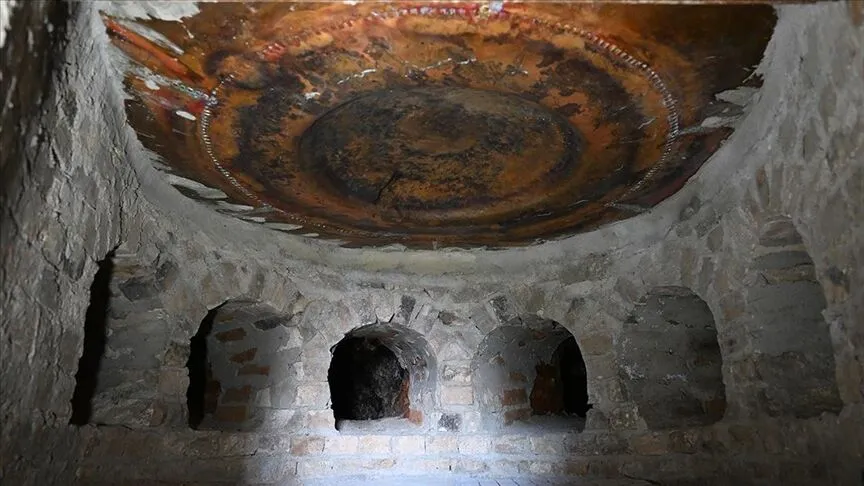
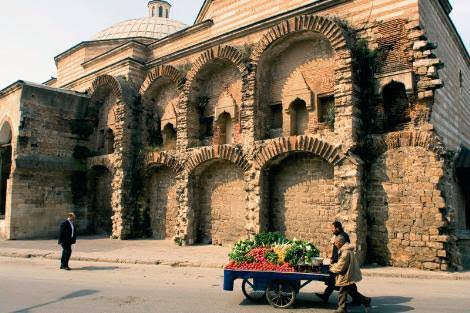
While many historic hamams were converted to other uses over time, Sokullu Hamam largely preserved its original use. Sources indicate the building was leased to private operators from 1970 onward and continued to function as a hamam without interruption.
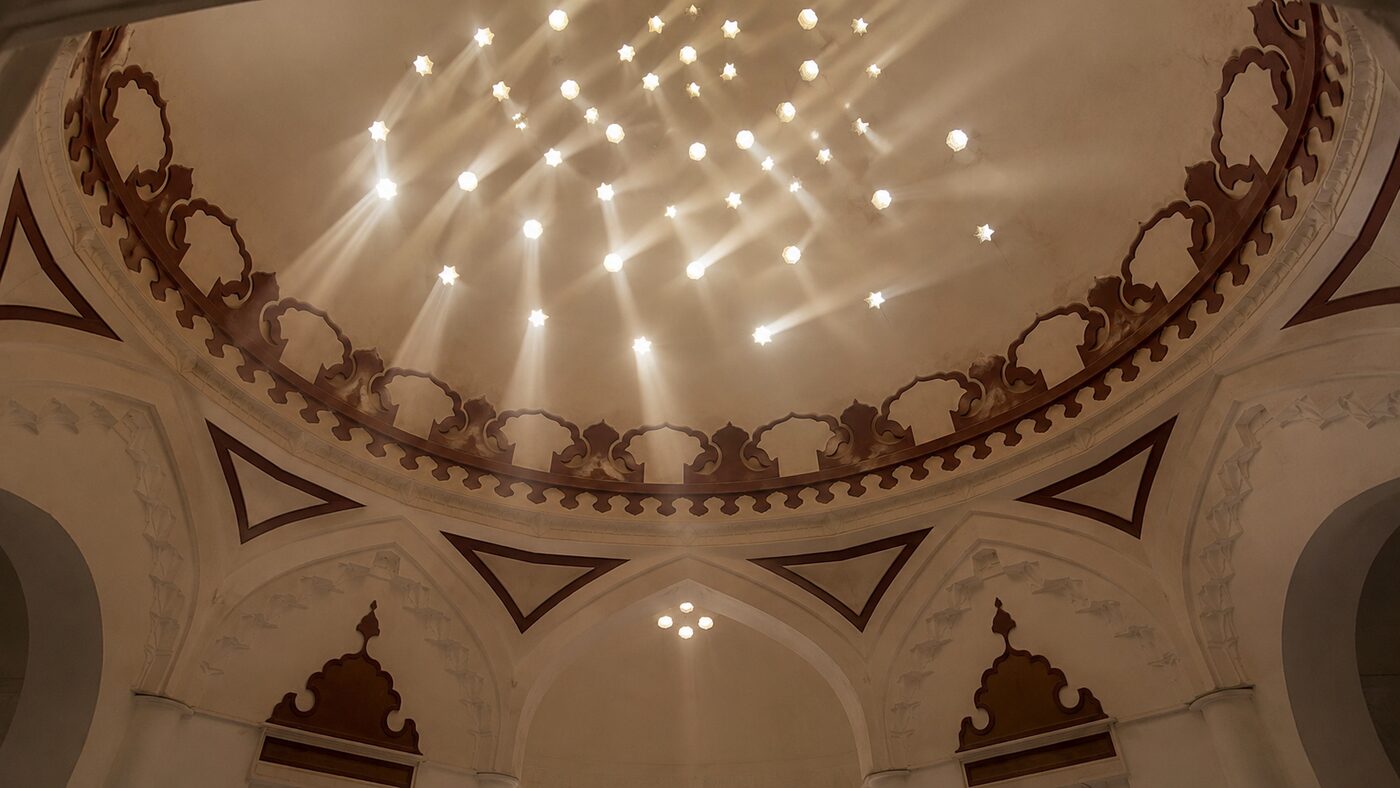
In the new operation and restoration process that began in 2023, the hamam's interior and exterior spaces were addressed comprehensively. During the works, the original heating channels — which circulated hot air not only beneath the floor but through the seating platforms themselves — became visible again, regarded as an important architectural detail showing that Sinan the Great Architect considered energy efficiency and user comfort together.
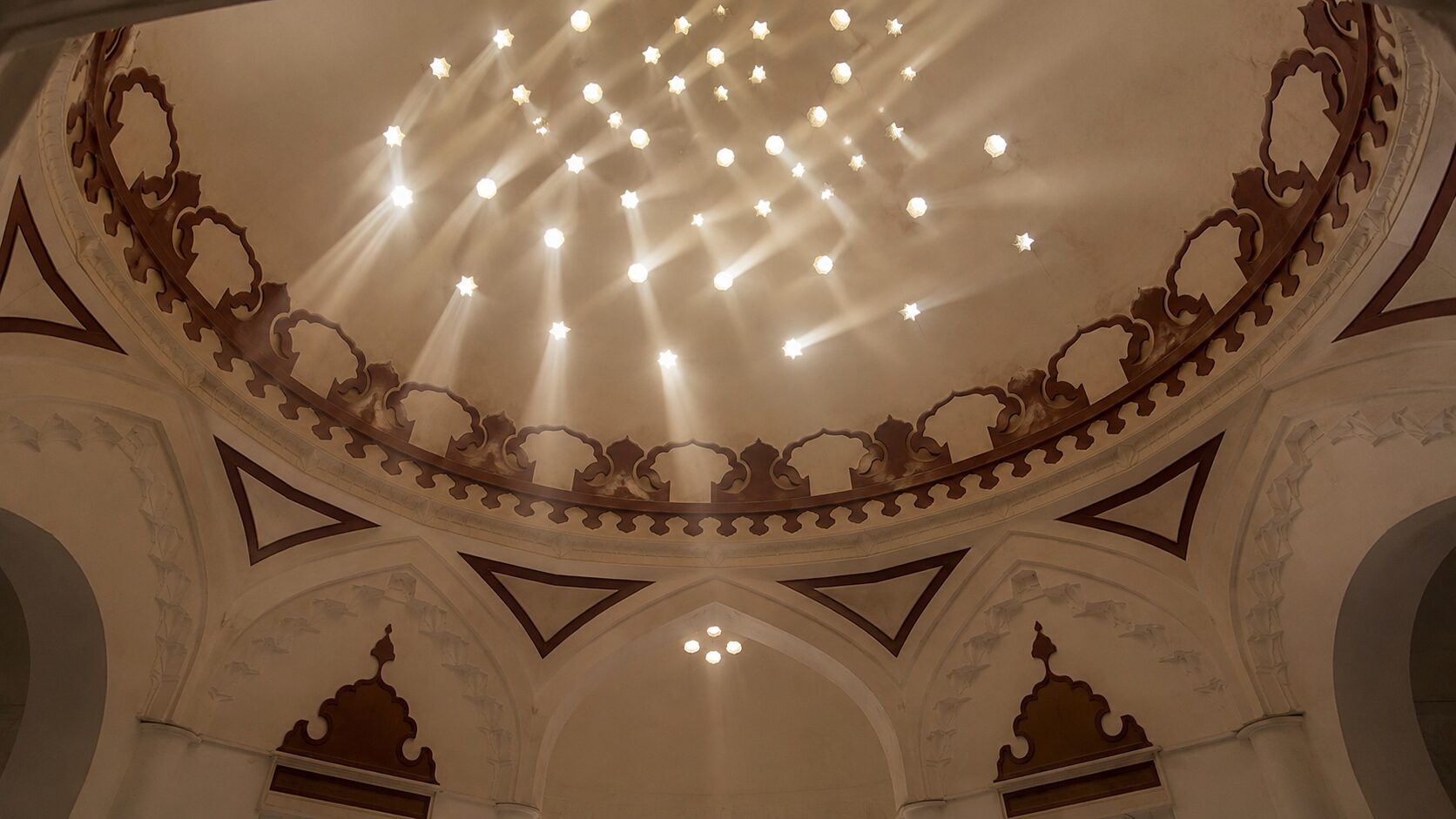
Star-shaped skylights pierce the dome, filling the hot room with natural, diffused light throughout the day.
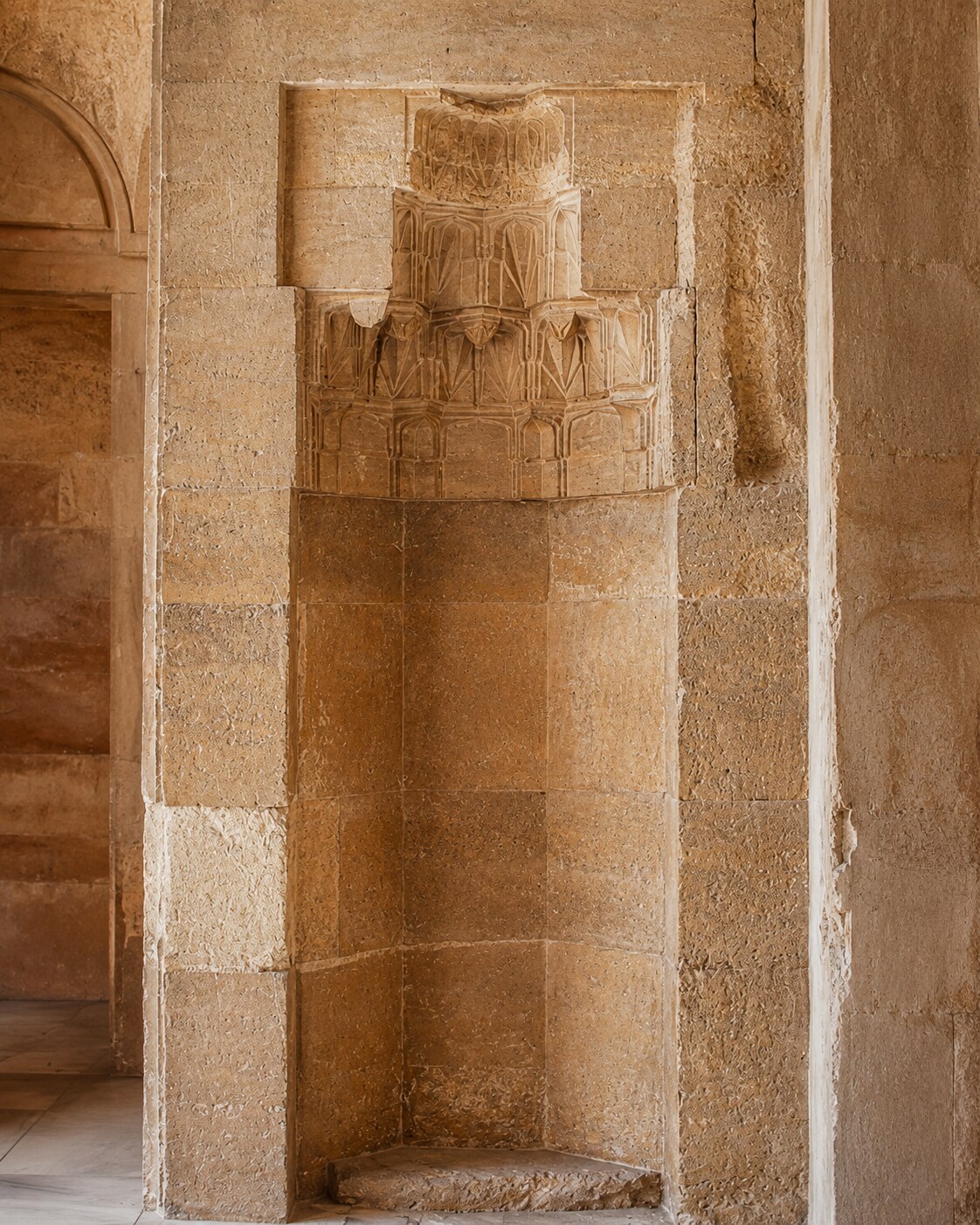
Hand-carved stalactite niches crown the corners of the hall — the same muqarnas form found across the great Sinan-era hamams, unchanged for good reason.
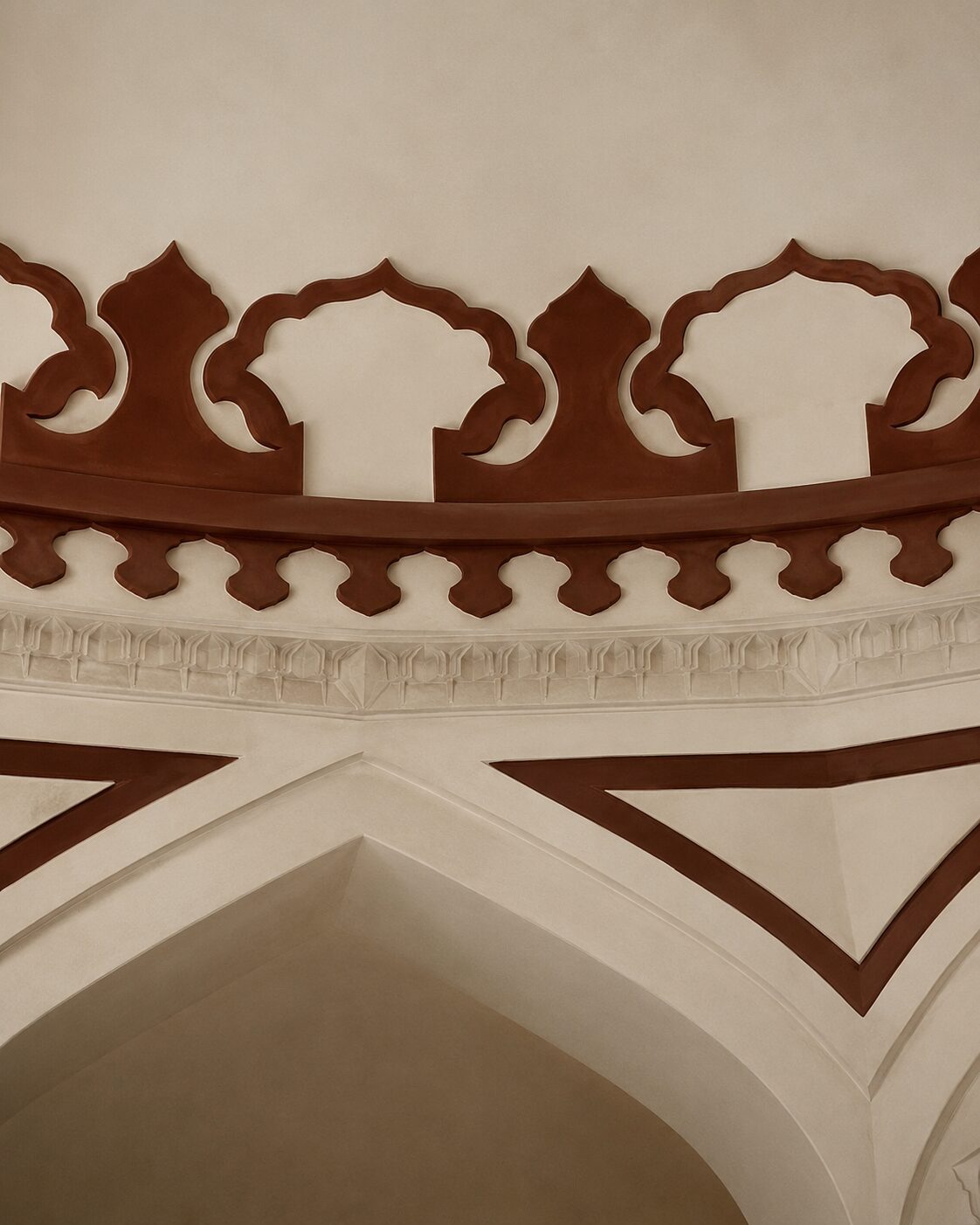
A carved crown of stone crests the dome's base, original to the building, cared for rather than replaced.
History you can step into, not just read about.
Reserve nowSokullu Mehmet Paşa Hamamı is open every day. The men's section operates 08:00–23:00, and the women's section 09:00–21:00. The recommended last reservation time is 21:30 for men and 19:30 for women, to allow time for the full ritual.
Outside food and drink are not permitted in the hamam. In line with hygiene rules, no food or drink is served in the warm or hot rooms — guests may order from our menu in the resting area (soğukluk). Photos and videos may only be taken in the resting area, without disturbing other guests or including them in the shot, and in keeping with the general rules of a public establishment.
At Sokullu Mehmet Paşa Hamamı, men and women are served in separate sections — though we'd like to remind you that bathing in a hamam is, at heart, a shared experience, carried on the same way for centuries.
Hamam treatments are not recommended for guests with heart or vascular conditions, high or low blood pressure, respiratory conditions (asthma, bronchitis, COPD), diabetes, or a urinary tract infection, or for guests who have recently had surgery or are undergoing cancer treatment. Guests with severe skin conditions such as burns or allergies, open wounds, or epilepsy are unable to make use of our services. Pregnant guests are advised not to enter the hamam. Drinking alcohol, or arriving very hungry or very full, before your visit are also worth keeping in mind for your health.
You can safely store your personal belongings throughout your hamam experience in the lockable cabinet assigned to you.
For your comfort, everything you might need — peştamal, slippers, towels, shampoo, and other personal care items — is provided at the hamam. If you prefer, you're welcome to bathe in your own swimsuit or bikini. You're also welcome to bring your own personal care products and use your own shampoo and soap in the washing area.
We recommend arriving 15 minutes before your reservation time, so you can settle in comfortably before your ritual begins. From the moment you enter, our staff will guide you throughout. A full hamam experience — including washing and resting time — takes approximately 90 minutes; we kindly ask that you book your reservation with this duration in mind.